Student Tax Refund Guide Canada: What Students Can Actually Claim in 2026
Confused about student taxes in Canada? Here’s a clear 2026 student tax refund guide Canada, covering what students can actually claim, which forms to keep, and how to avoid missing refunds or credits.
3/11/20266 min read
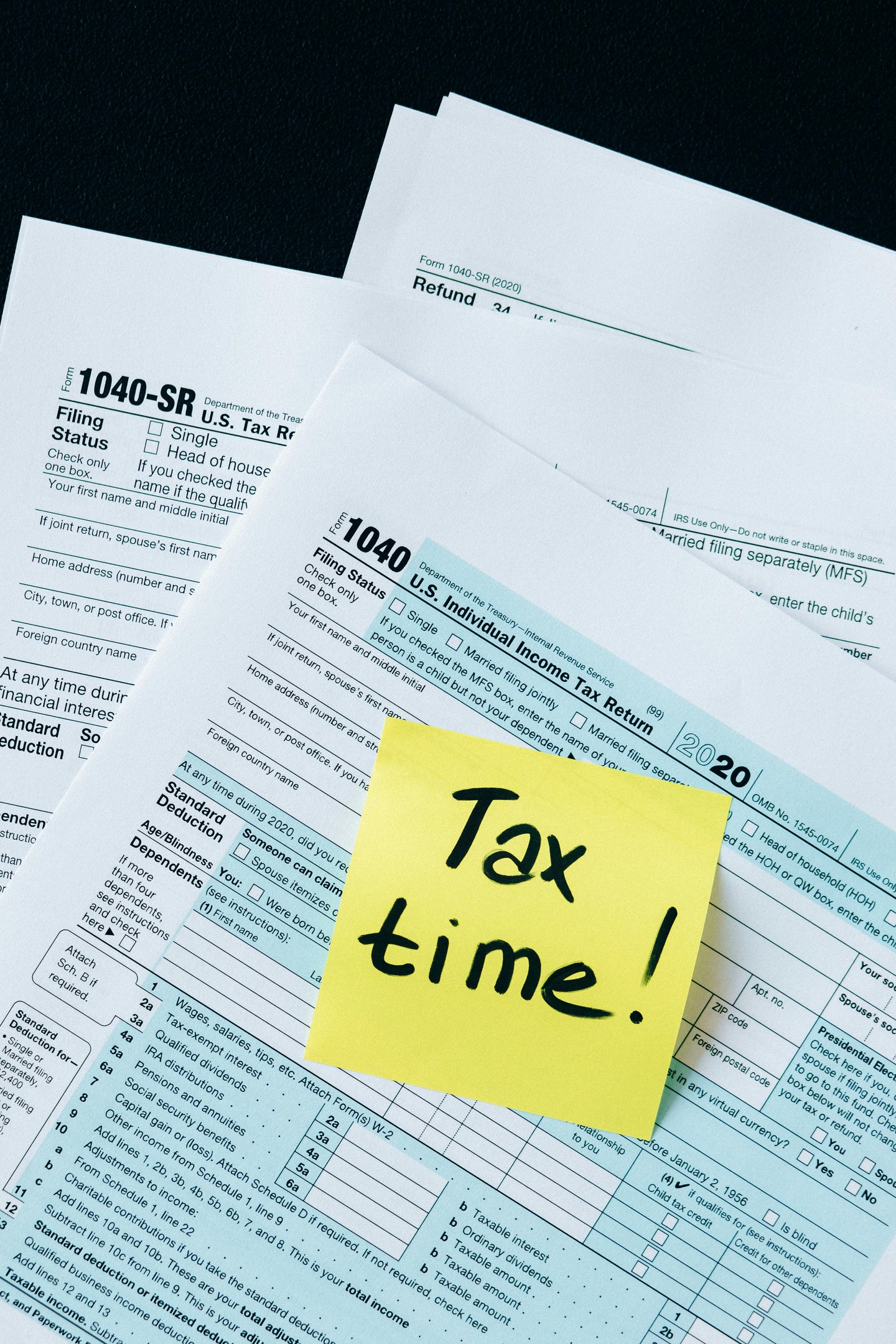
Student Tax Refund Guide Canada: What Students Can Actually Claim in 2026
Let’s be honest. Taxes are one of those things most students ignore until everyone starts asking, “Did you file yet?”
This student tax refund guide for Canada is for people who want a clear answer to one question: what can students actually claim, and what is just tax season noise?
A lot of students assume taxes only matter if you make a lot of money. That is not true. Even if you worked part-time, got a scholarship, or barely made anything at all, filing your return can still matter. In Canada, filing can help you access benefits and credits, and it also helps the CRA keep track of things like your tuition amounts for future years.
Another thing students get wrong is the word “refund.” A refund is not guaranteed. Sometimes you get money back because too much tax was taken off your paycheques. Other times, filing mainly helps you unlock benefits or carry forward credits you can use later. That matters more than most students realize. Federal tuition and student loan interest amounts are non-refundable credits, which means they reduce tax owing, but do not automatically turn into cash if you already owe nothing.
That confusion is normal. Canadian tax literacy research shows many people struggle with basic tax concepts and often overestimate how well they understand the system. A recent review of financial education research in Canada and the United States also found that young adults benefit from clearer, more practical financial education, which is exactly why student-friendly tax guides matter.
First, here’s what most students need before filing
For most students, tax season starts with a small stack of forms.
If you had a job, you would usually have a T4 from your employer. If you paid eligible tuition, your school will issue a T2202. If you received certain scholarships, bursaries, or awards, you may also get a T4A. If you paid interest on a qualifying government student loan, you should also keep that statement. The CRA’s student tax guide lists employment income, scholarships, bursaries, study grants, and similar student-related amounts as common parts of a student return. The University of Manitoba also notes that students commonly receive T2202 and T4A slips for eligible tuition and scholarship or bursary income.
If you go to the University of Manitoba, this is especially important. Your T2202 is your key tuition form, and your T4A can report scholarship or bursary income.
What students can actually claim in Canada
1. Your tuition amount
This is the big one most students have heard of, but many still misunderstand it.
Your T2202 shows your eligible tuition fees for the calendar year. To qualify, the fees shown for each institution generally have to be more than $100. Not every school-related cost counts, and schools make that distinction on the form. For example, the University of Manitoba notes that materials and administrative fees are not eligible for the tuition deduction.
Here’s the part students miss: the tuition amount is valuable even if it does not give you an instant refund this year.
If you owe tax, it can reduce that amount. If you do not owe tax, you may be able to carry the unused amount forward to a future year when you are working more and actually need it. That is why filing still matters, even in years when your income is low.
If you want to better understand why this matters, it connects directly to The Real Cost of Being a College Student in 2025. A lot of students focus only on tuition, but the real financial pressure usually comes from everything around it.
2. You may be able to transfer some tuition
This is one of the most overlooked parts of student taxes.
If you do not need all of your current year tuition amount to reduce your own taxes, you may be able to transfer part of it to a spouse, common-law partner, parent, or grandparent. The maximum federal transfer is generally $5,000 minus the amount you used to reduce your own tax owing. You cannot transfer old tuition carried forward from previous years. To do this, you need to complete the transfer section of the T2202 and the transfer or carry-forward section of Schedule 11.
This is where students should slow down and think. Just because you can transfer tuition does not always mean you should. If your income is going to rise soon, keeping it for yourself may be smarter.
3. Student loan interest
If you paid interest on a qualifying government student loan, you may be able to claim it. The CRA says you can claim the interest paid in the current year or carry it forward for up to five years if you do not use it right away. Only the borrower who is legally responsible for the loan can claim it.
This one matters after graduation, too. A lot of students forget about it once repayment starts.
4. Some scholarships and bursaries may not be taxable
This surprises a lot of first-time filers.
Under the CRA’s scholarship exemption, many post-secondary scholarships, fellowships, and bursaries are not taxable if they relate to qualifying full-time enrolment. For part-time students, the exemption is more limited and generally tied to tuition and program-related materials.
So yes, you still need to pay attention to these forms, but getting a T4A does not automatically mean you owe tax on that money.
5. Moving expenses, in some cases
Most students never look into this, but some should.
The CRA says students may qualify to claim moving expenses if they move to attend post-secondary studies full-time or for employment, and the new home is at least 40 kilometres closer to the school or workplace. There are rules around what income the deduction can be applied against, so this is one of those areas where details matter.
This is especially relevant for students who moved cities for school, co-op, or summer work.
What filing can help you get, even if you earned very little
One of the biggest student mistakes is not filing because “I did not make enough.”
Bad move.
The CRA says you may still be eligible for the GST/HST credit and related provincial or territorial credits even if you had no income in the year. Filing is what puts you in the system for those calculations.
There is also the Canada Workers Benefit, but this is where students need to be careful. Full-time students enrolled for more than 13 weeks in the year are generally not eligible unless they have an eligible dependant. So do not assume every benefit applies automatically just because you worked part-time.
This is also why I’d naturally link this post to 5 Financial Mistakes Almost Every College Student Makes. Skipping your tax return because you think it is pointless is exactly the kind of small mistake that can cost you money later.
Important 2026 filing dates students should know
For the 2025 tax year, the CRA says the earliest day to file online is February 23, 2026. For most people, the filing deadline is April 30, 2026. If you or your spouse were self-employed, the filing deadline is June 15, 2026, but any balance owing is still due by April 30, 2026.
If you are expecting a refund, the CRA says its goal is to issue it within about two weeks for electronically filed returns and about eight weeks for paper returns, assuming the return is filed on time.
If you have a modest income and a simple tax situation, the CRA also points students to free tax clinics through the Community Volunteer Income Tax Program.
The biggest student tax mistakes to avoid
The first mistake is thinking tuition automatically means a big refund. It does not. Tuition is a non-refundable credit, so in many cases it helps reduce tax or creates a carryforward for later instead of sending cash to your bank account right now.
The second mistake is filing too early without all your slips.
The CRA specifically says you should make sure you have all the necessary tax slips before filing. Rushing it can create mistakes and delays.
The third mistake is forgetting that your tax return is part of your bigger money system.
If you are struggling with budgeting, debt, or inconsistent work income, taxes feel more stressful than they need to. That is why this post naturally connects with How to Build Credit From Scratch as a Student and Manage Work and School: Simple Strategies for Success. Good money habits do not exist in isolation.
Final takeaway
Student taxes in Canada are not as complicated as they look once you know what actually matters.
For most students, the priority is simple:
File your return, keep your slips, claim your tuition properly, check if you can claim student loan interest or moving expenses, and do not assume low income means filing is pointless. That one decision can affect your refund, your benefits, and the credits you get to use later.
And honestly, this is the bigger message: taxes are not just an adult problem. They are part of learning how money actually works while you are still in school.
Additional Resources
If you want to double-check anything while filing, here are the best places to start: the CRA Student Tax Guide (P105)for the full student breakdown, the CRA Get Ready to File page for 2026 filing dates and prep, the CRA tuition transfer and carryforward page if you are deciding whether to use or transfer tuition amounts, the CRA student loan interest page if you are already repaying loans, the CRA GST/HST credit page to see if you may qualify for benefits, and the University of Manitoba tax information page if you need help finding your T2202 or other school tax forms. These are the most useful official pages for Canadian students filing taxes.
This article is for educational purposes and should not be treated as personalized tax advice.